Do you even need a temporary dam?
It’s often the first question we ask when a client approaches us about working in water.
Before recommending equipment, we want to understand what needs to be built, repaired or inspected. What are the site conditions? What risks need to be managed? And what is the most practical way to get the work completed?
Sometimes the answer is a conventional temporary dam. Sometimes it calls for an adapted system, a bespoke solution or a completely different approach. And occasionally, the best advice we can give is that a dam isn’t needed at all.
That’s an important part of how we operate.
At High Water, we bring together engineering expertise, specialist equipment and extensive practical experience of working in and around water. Our business is built around finding solutions and delivering them, not simply hiring equipment.
Experience Makes the Difference
Water presents challenges that aren’t always apparent on a drawing.
Variable ground conditions, changing water levels, restricted access, existing structures and the practicalities of construction can all influence whether a proposed solution will work.
We’ve spent years designing, supplying and installing temporary water control systems, across a wide range of environments and applications. That experience includes understanding what works well, recognising where established methods have limitations and learning from the occasions when things haven’t gone to plan.
It means we can challenge assumptions, identify opportunities and offer practical, candid advice from the outset.
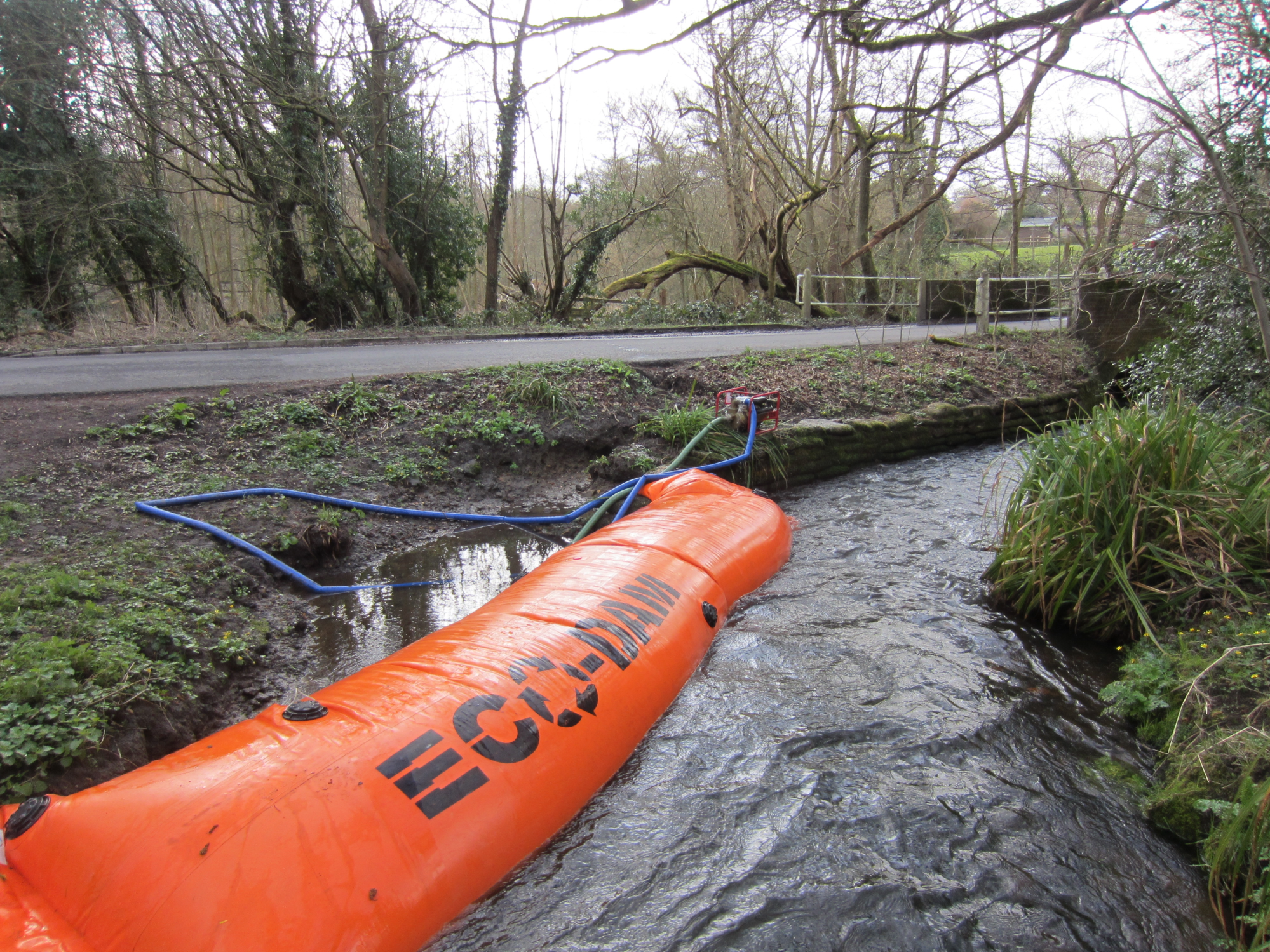
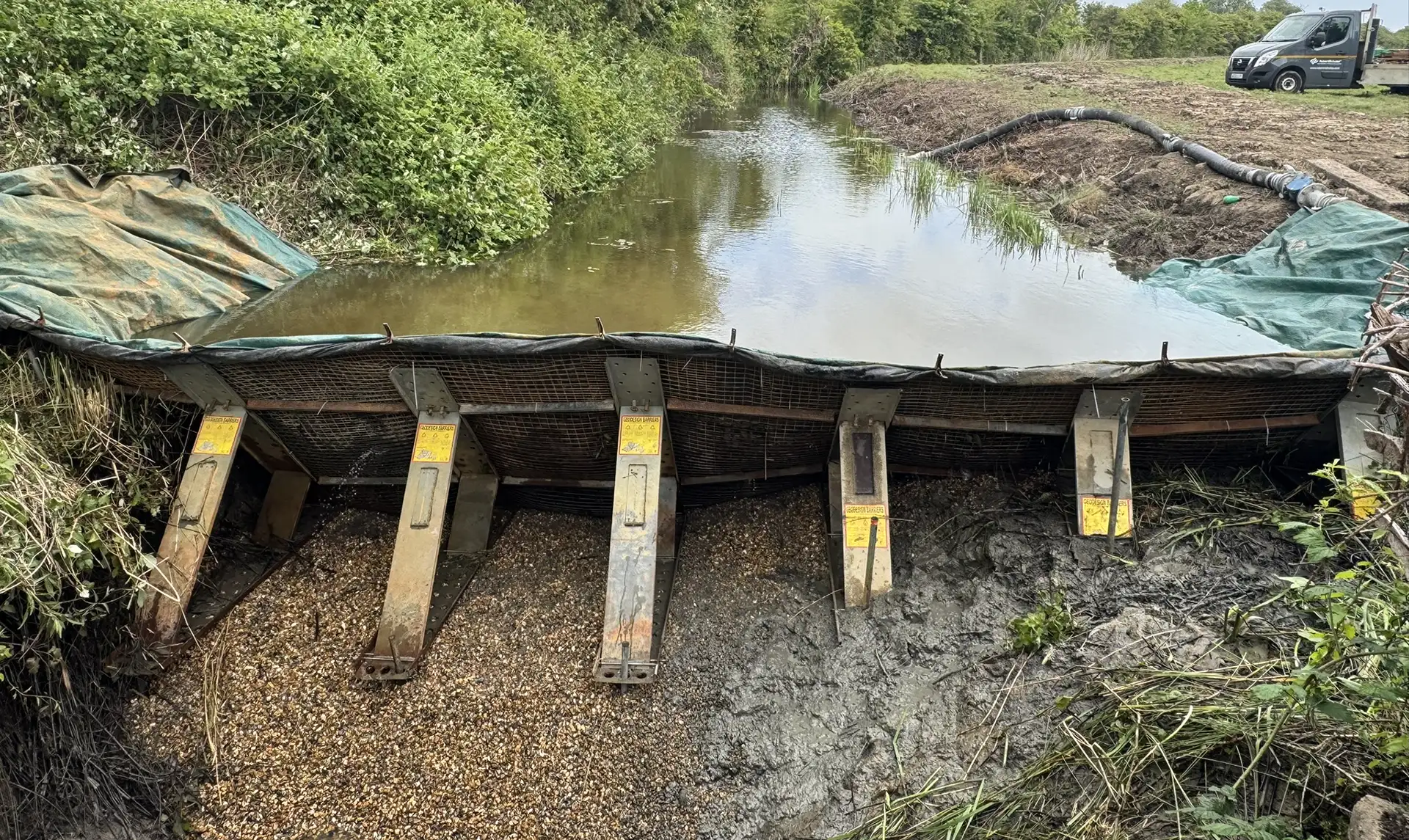
We’re not wedded to one product or method. Our equipment fleet, engineering capability and specialist partnerships give us a range of options, from established modular systems to bespoke temporary works designed for unusual applications.
The objective is always the same: find an appropriate, reliable and efficient way to enable the permanent works.
An Integrated Approach, from Start to Finish
Good temporary water control doesn’t happen in isolation. The design, equipment, installation methodology and construction programme all influence one another.
That’s why we’ve developed an integrated approach to delivery.
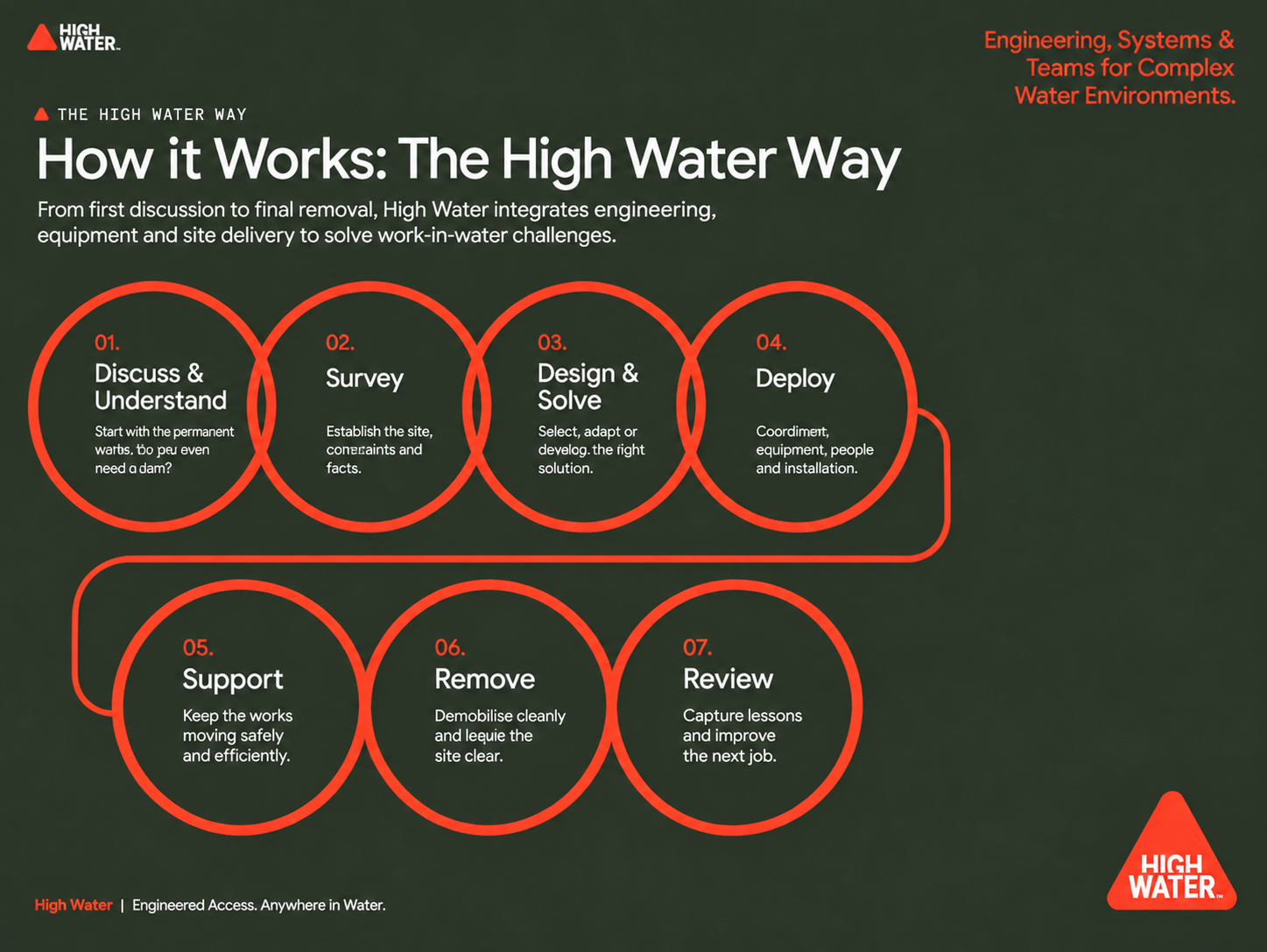
- Discuss and understand. We start with the client’s objectives, the proposed permanent works and the constraints of the site. We challenge the initial assumptions where appropriate and consider whether temporary isolation is necessary at all.
- Survey and assess. We establish the information needed to make informed decisions, using site visits, available records and drawings, targeted investigations and specialist surveys where required. Understanding the actual conditions matters more than relying on idealised assumptions.
- Design and solve. We develop the appropriate solution, considering engineering performance alongside practicality, risk, cost and programme. Our in-house expertise and trusted specialist consultants allow us to address demanding requirements, while our experience of installation helps ensure designs are realistic to deliver.
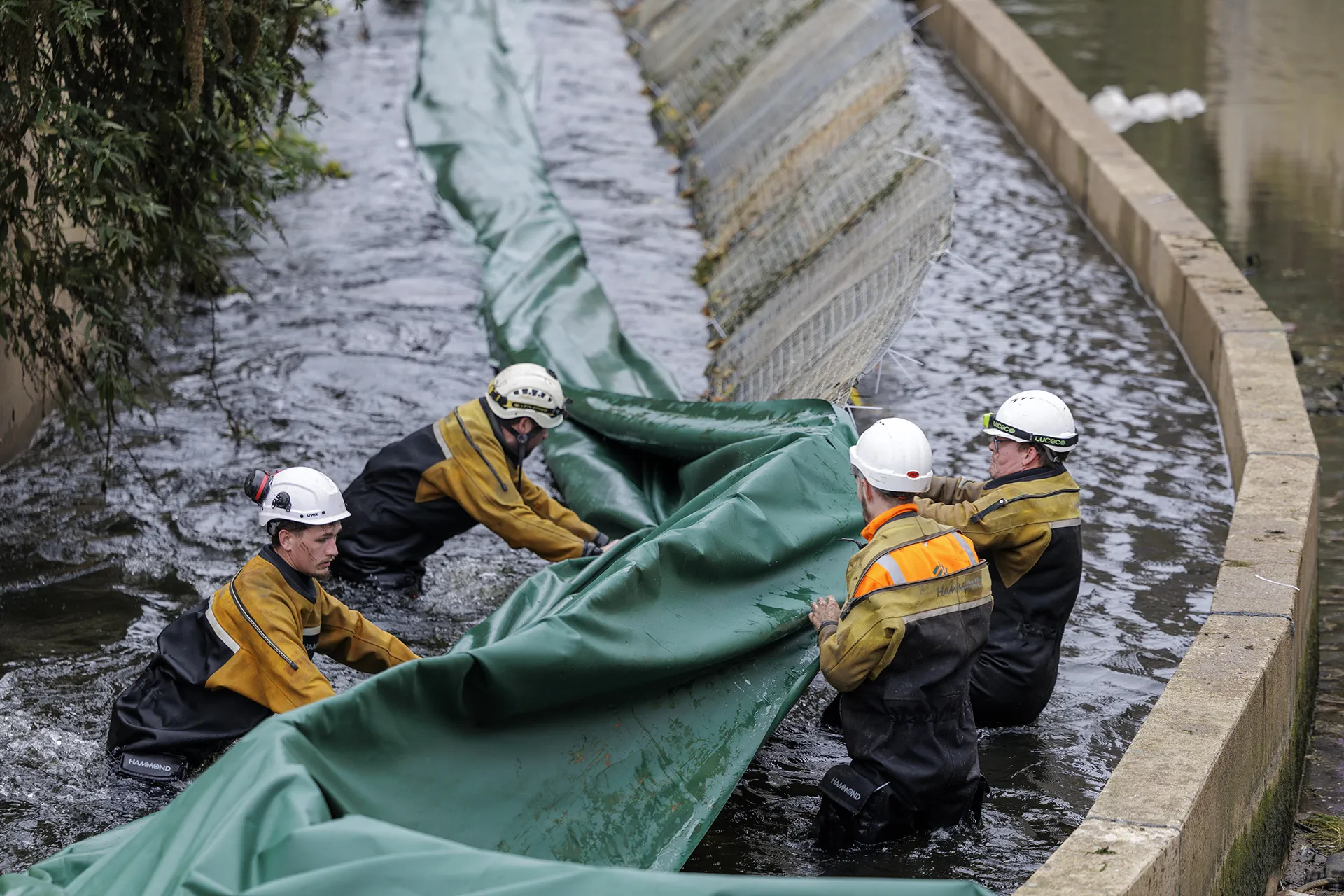
- Prepare and deploy. We coordinate equipment, fabrication where needed, logistics, labour and installation. By understanding how the system will be built and used from the outset, we can reduce unnecessary operations and avoid problems that might otherwise emerge on site.
- Support the works. Our involvement doesn’t necessarily end when a dam is installed. We provide agreed site support, technical assistance and ongoing equipment services to help clients maintain the conditions needed to complete their work.
- Remove and reinstate. The removal sequence is considered from the beginning. We plan for safe, efficient demobilisation, leaving the working area ready for its next use.
- Review and improve. We take the lessons of one project into the next, refining our equipment, methods and understanding of how temporary water control performs in practice.
Designed for the Real World
One of the advantages of combining engineering and site delivery is that our designs are informed by the people and experience required to make them work.
A solution might perform perfectly in a calculation but be unnecessarily complicated to install. Equally, the simplest installation arrangement may not provide the access or working conditions required by the permanent works contractor.
We consider both.
The permanent works should drive the temporary works solution, rather than the other way around. Sometimes that means adapting the design, sometimes developing new equipment, and sometimes recommending a different construction sequence altogether.
Our focus is on practical engineering: solutions that can be safely installed, perform as intended and be removed without creating unnecessary difficulties.
More Than Equipment Hire
For our clients, the benefit of an integrated approach is straightforward.
Rather than coordinating separate equipment suppliers, designers and installation contractors, they can engage one specialist business capable of bringing these elements together.
That creates opportunities to simplify planning, reduce interfaces, improve coordination, and make better-informed decisions throughout the project.
It also creates clearer accountability.
We understand the equipment because we work with it. We understand the design because we’re involved in developing it. And we understand the challenges of delivering the works because we’re there on site.
Where specialist expertise is required, we work with established, trusted partners, bringing their knowledge into the same coordinated delivery process.
Getting the Job Done
Temporary works exist to enable permanent works. They should be no more complicated, costly or disruptive than they need to be.
The right approach isn’t necessarily the most innovative or sophisticated. Sometimes it’s a proven system, deployed efficiently. Other times, overcoming an unusual constraint requires something entirely new.
What matters is having the experience to recognise the difference, the engineering capability to develop the right approach and the people and equipment to deliver it.
That’s the High Water Way.